


Conference at Mariupol State University
On the Model of Ukraine’s New Veteran Housing Policy
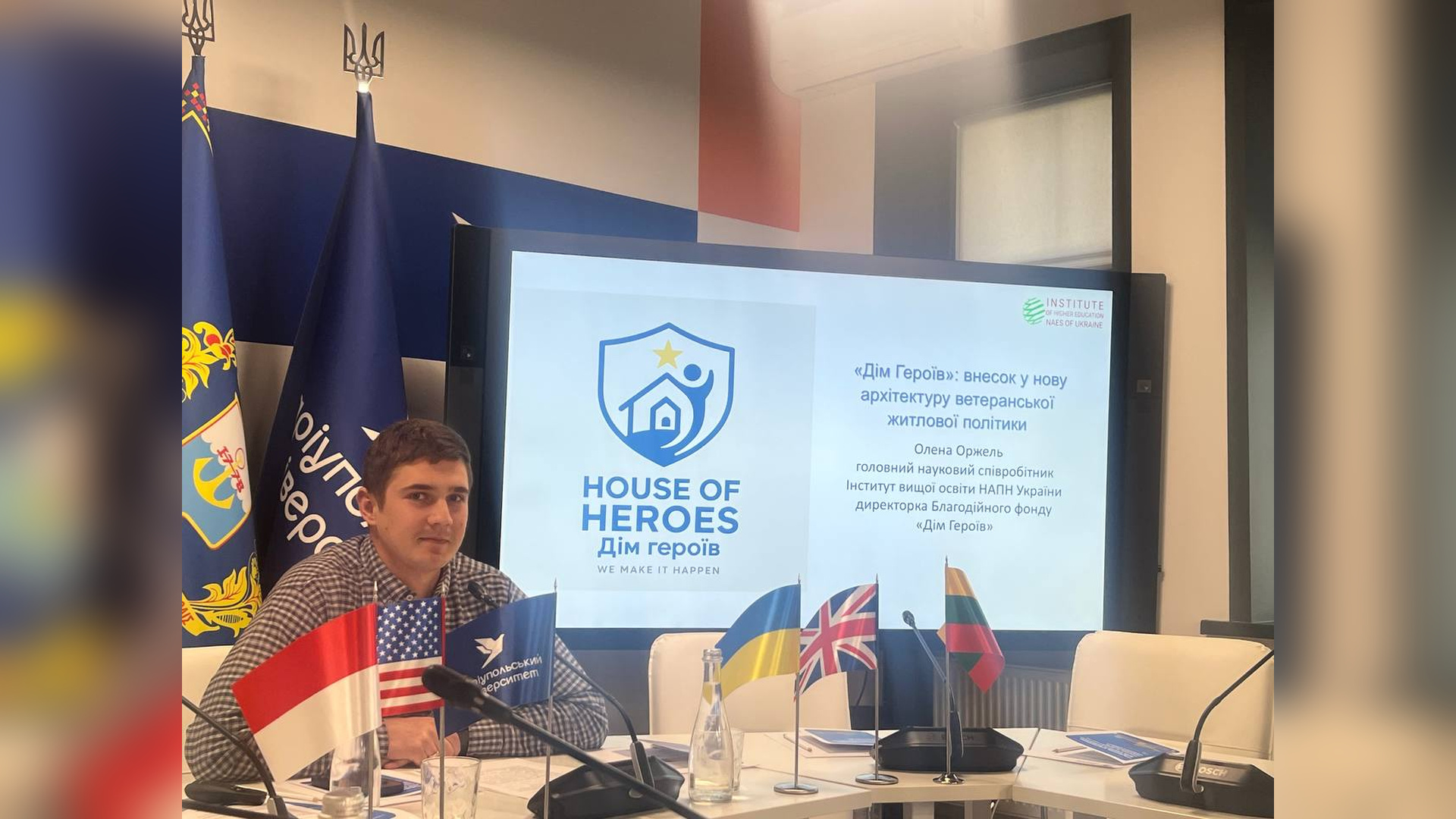
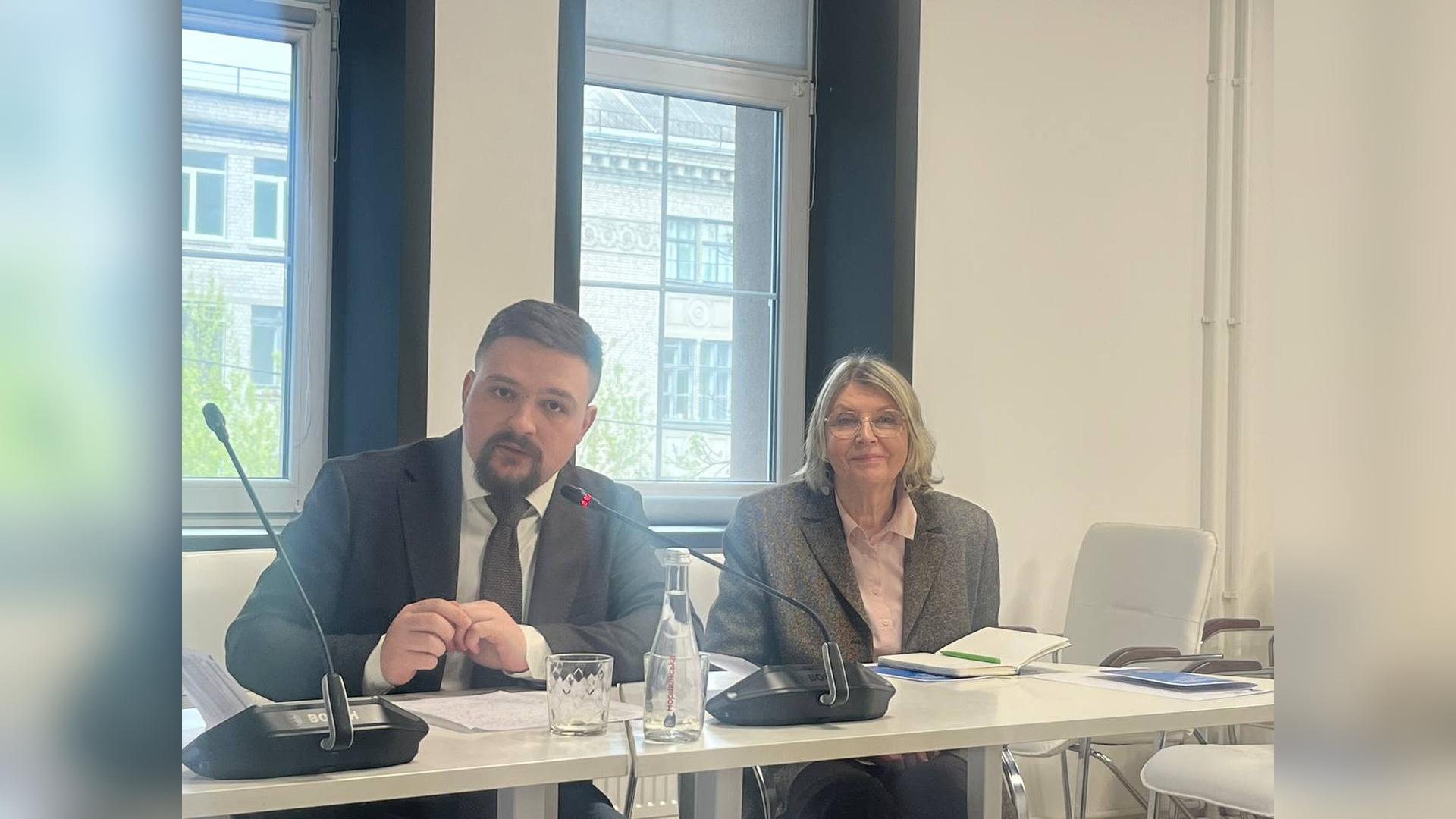
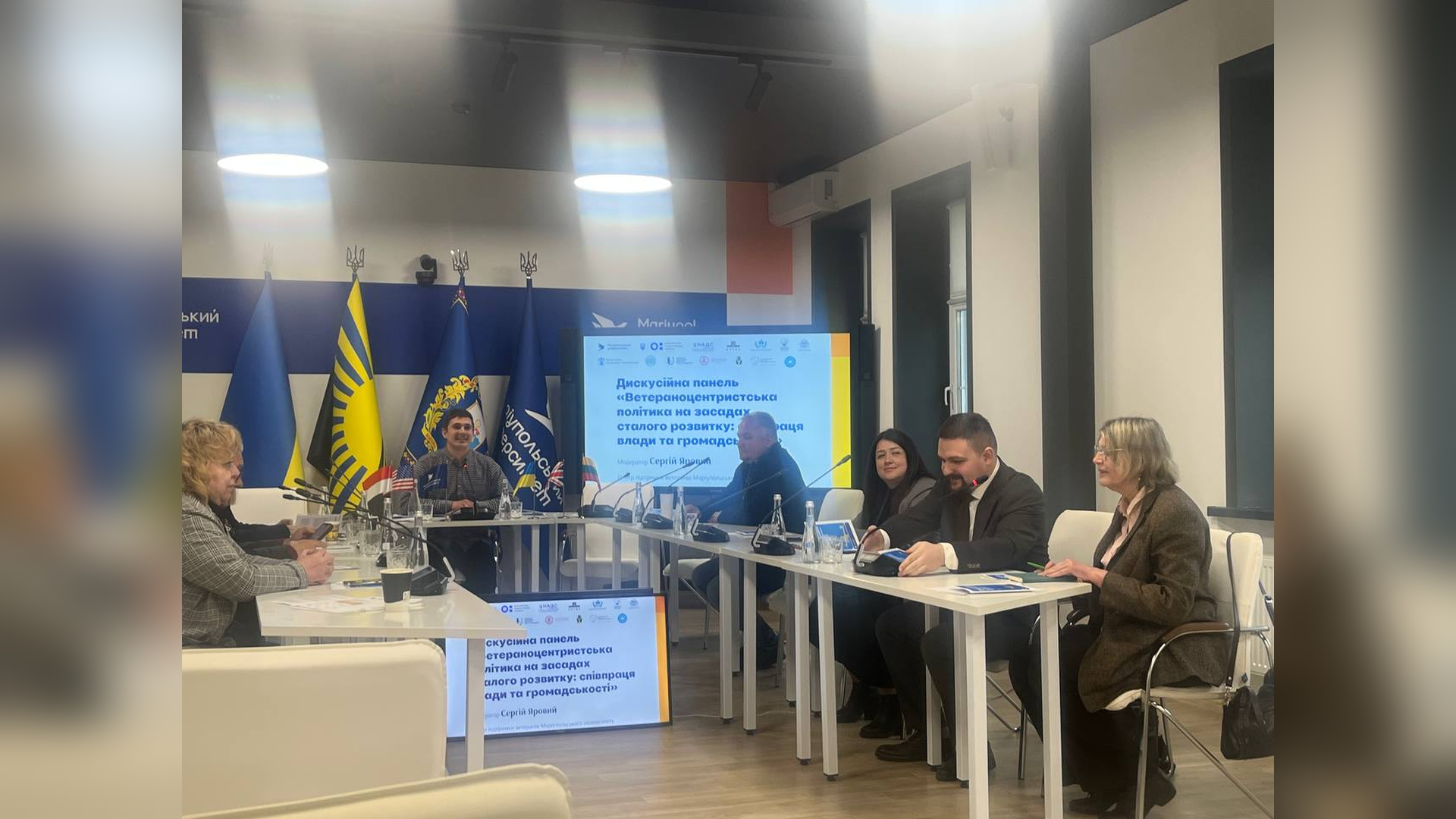
On April 29, a discussion panel dedicated to veteran-centered policy and cooperation between the state, civil society, and international partners took place in Kyiv as part of the 6th International Scientific and Practical Conference “Public Administration for Sustainable Development: Challenges and Prospects at the National and Local Levels.” One of the key topics was the presentation of the “Home of Heroes” Charitable Foundation — an initiative that is shaping a new approach to adaptive housing for severely wounded Ukrainian veterans.
During the event, Olena Orzhel, Director of the “Home of Heroes” Charitable Foundation and Chief Research Fellow at the Institute of Higher Education of the National Academy of Educational Sciences of Ukraine, presented the project’s concept as a long-term systemic model of veteran support that combines housing, accessibility, rehabilitation, social integration, and a dignified independent life.
“Home of Heroes” is about creating an environment in which people who have sacrificed their health for Ukraine’s freedom can regain autonomy, a sense of dignity, and the opportunity to live fully, study, work, and be part of society,” emphasized Olena Orzhel.
As part of the pilot stage, the foundation’s team plans to equip adaptive apartments for two veterans with high-level amputations, as well as develop an inclusive housing model that can be scaled at the national level.
The international dimension of the discussion was provided by John Neisheim, retired professor at Cornell University and co-founder of House of Heroes, USA. In his presentation, “Veteran-Centered Public Policy in Practice: A Scalable Housing Model for Ukraine,” he emphasized that Ukraine needs a comprehensive system of veteran support.
“True veteran independence begins with the ability to live independently in one’s own space — to use the kitchen and bathroom, work, and open doors without outside assistance. Accessibility must be part of everyday life,” noted John Neisheim. According to the speaker, effective veteran policy for the future must be based on partnership between the state, civil society, universities, businesses, and international donors. He paid particular attention to the importance of transparent governance, scalable pilot solutions, and the development of adaptive housing standards in Ukraine.
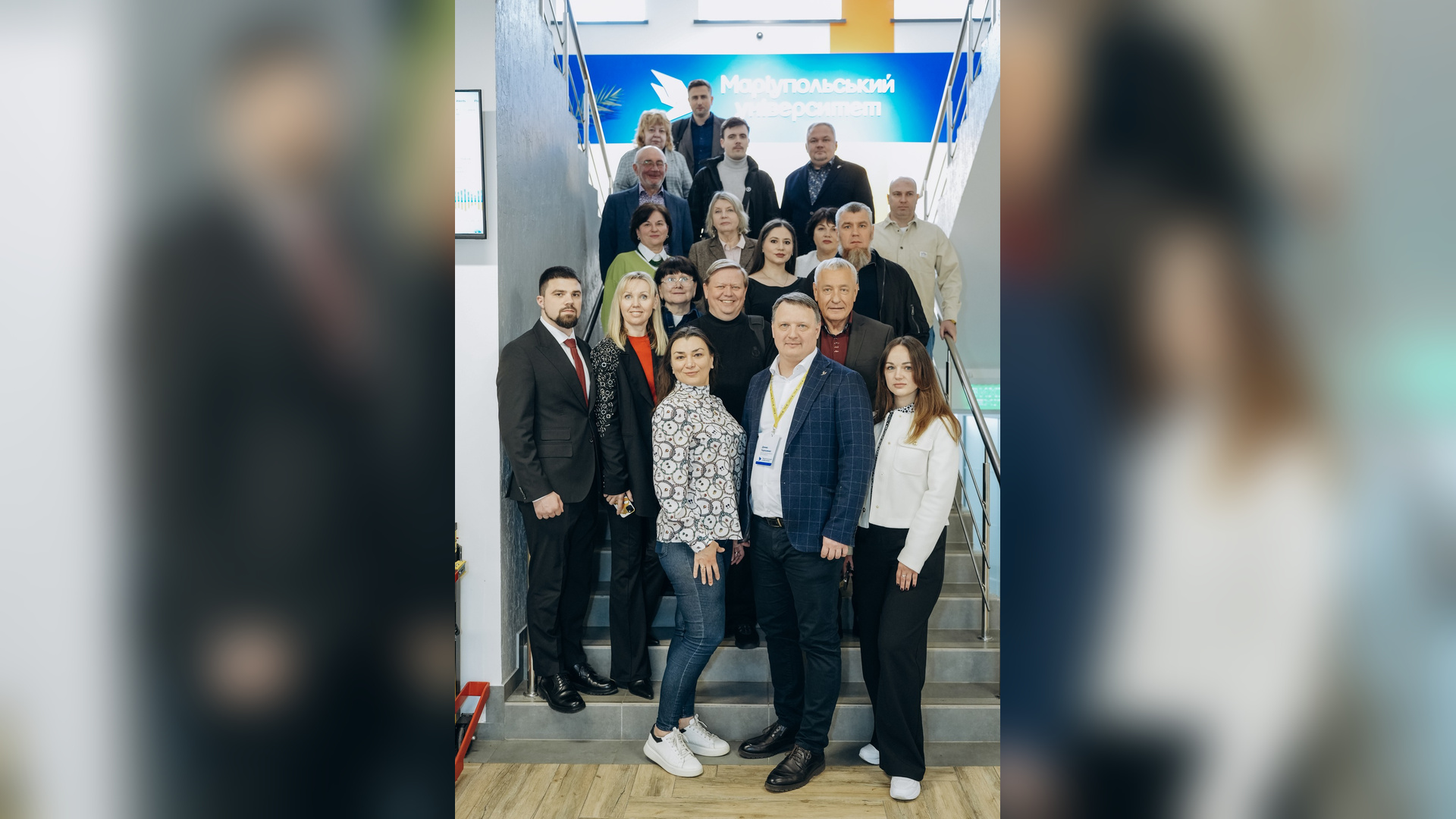
The conference brought together representatives of government authorities, the academic community, international organizations, civil society, and charitable initiatives. The discussion around “Home of Heroes” became one example of how a new architecture of veteran policy is being formed in Ukraine — one based on dignity, inclusion, and the long-term restoration of the country’s human potential.
The “Home of Heroes” team emphasizes that today, adaptive housing for veterans is a matter of society’s responsibility to the people who have defended the country. That is why the project needs the support of partners, businesses, international donors, and all caring Ukrainians.
Every donation is a contribution to creating a space where severely wounded veterans will be able to live independently, without barriers and without dependence on outside assistance. It is an investment in dignity, recovery, and the future of Ukraine.
The project team is also open to partnerships with architects, technology companies, universities, media, and international organizations.
Donate in hryvnia:
Support from abroad: